
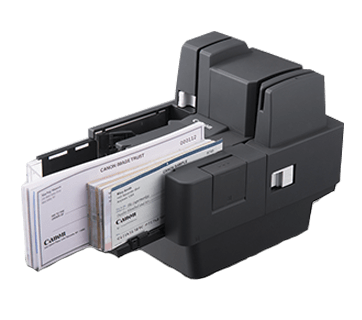
As financial institutions accelerate their digital transformation, the need for faster and more accurate cheque processing continues to grow. Banks, NBFCs, cooperative banks, and other financial institutions must process cheque transactions efficiently while ensuring regulatory compliance. In this evolving landscape, a cheque scanner has become an essential solution for streamlining transaction workflows.
Manual cheque processing often involves repetitive verification, data entry, and physical document handling, leading to delays, higher operational costs, and increased chances of errors.
In this blog, we’ll explore how cheque scanners improve transaction speed and accuracy, the business benefits they offer, and the role they play in supporting modern banking operations.
Why Transaction Speed Matters More Than Ever in Modern Banking
Modern banking operates in an environment where speed directly influences customer satisfaction and operational success. Customers now expect faster cheque clearances, same-day banking services, and seamless financial transactions regardless of whether they are individuals or businesses. At the same time, banks are processing growing volumes of cheque transactions while managing increasing compliance requirements and operational complexity.
Delays in cheque processing not only affect customer confidence but also impact business cash flow, reconciliation timelines, and branch productivity. Consequently, financial institutions must find ways to process transactions efficiently without compromising accuracy. Automation has therefore shifted from being a convenience to becoming a business necessity. By embracing intelligent cheque processing solutions, banks can improve service quality, enhance operational efficiency, and remain competitive in an increasingly digital financial landscape.
The Hidden Challenges of Manual Cheque Processing
Despite rapid digital transformation across the banking sector, manual cheque processing continues to create operational bottlenecks for many financial institutions. Every cheque requires manual verification, data entry, document handling, and reconciliation, making the process both time-consuming and resource-intensive.
Manual Processing vs Automated Cheque Scanning
| Manual Processing | Automated Cheque Scanning |
| Manual verification requires more time | Automated image capture speeds up verification |
| Slow manual data entry | Instant MICR data recognition |
| Higher possibility of human errors | Greater processing accuracy through automation |
| Longer transaction processing time | Faster end-to-end transaction flow |
| Continuous physical document handling | Fully digital workflow with minimal manual intervention |
How Cheque Scanners Accelerate End-to-End Transaction Processing
A cheque scanner improves efficiency by streamlining every stage of transaction processing instead of only digitizing cheque images. Each automated step reduces manual effort while improving overall workflow consistency.
Below is the complete transaction journey.
Cheque Capture
The transaction begins with capturing a high-quality digital image of the physical cheque. Modern cheque scanners perform this process within seconds, eliminating the need for manual document handling and creating a digital record for faster processing.
A clear image at the initial stage reduces the chances of missing information and ensures that every subsequent processing step is based on accurate data.
Image Enhancement
After capture, the scanned image is automatically enhanced to improve readability. Technologies such as image correction, brightness adjustment, and noise reduction ensure that important cheque details remain visible even if the original document is faded or slightly damaged.
Improved image quality minimizes the need for rescanning and manual verification.
MICR Data Recognition
Once the image is optimized, the scanner reads the Magnetic Ink Character Recognition (MICR) line printed on the cheque. This automatically extracts critical information such as the cheque number, account number, and routing details without manual data entry.
Automated MICR recognition significantly reduces processing time and improves accuracy. It also minimizes human errors that could otherwise delay transaction processing or reconciliation.
Verification
The extracted information is then verified against predefined banking rules before moving to the next stage. Automatic validation helps identify missing details, inconsistencies, or duplicate transactions early in the workflow.
By detecting potential issues before processing continues, banks reduce manual reviews and costly corrections. This strengthens both operational efficiency and regulatory compliance.
Digital Transmission
After successful verification, the cheque data and images are securely transmitted to the core banking system or clearing network. Digital transmission replaces the need to physically move cheque documents between branches or processing centers.
This seamless information flow accelerates internal operations while improving collaboration between different banking systems. It also supports centralized processing and secure digital record management.
Faster Clearing
With every stage automated, the cheque reaches the clearing system much faster than through traditional manual workflows. Reduced processing delays enable quicker settlement and improve the overall customer experience.
Faster clearing also benefits financial institutions by increasing daily processing capacity, lowering operational costs, and enabling staff to focus on higher-value customer service activities.
Read more information : https://mbmnewtech.com/scanning-tools/
Improving Transaction Accuracy Through Intelligent Data Capture
Accurate transaction processing is just as important as speed in today’s banking environment. Intelligent cheque scanners address common challenges by combining multiple technologies that improve data quality throughout the processing cycle.
MICR recognition accurately captures magnetic ink characters printed on cheques, while OCR technology assists in extracting additional printed information. Automatic validation checks captured data against banking rules before transactions move forward, reducing the likelihood of errors. Image correction improves readability, duplicate detection prevents repeated processing, and reduced manual intervention minimizes human mistakes. As a result, financial institutions achieve higher processing accuracy while avoiding costly corrections and maintaining greater confidence in every transaction.
Business Benefits for Banks and Financial Institutions
Below are the key business benefits for different teams within a financial institution.
Operations Team
Cheque scanners streamline transaction workflows by automating repetitive tasks such as image capture, data extraction, and verification. This enables operations teams to process a higher volume of cheques in less time while maintaining consistent accuracy.
With fewer manual interventions, teams can focus on exception handling and process optimization instead of routine administrative work. As a result, overall operational efficiency and productivity improve significantly.
Branch Staff
Manual cheque processing often requires branch employees to spend considerable time on verification and data entry. Automated cheque scanning reduces this administrative burden, allowing staff to serve customers more efficiently.
Shorter processing times also reduce customer queues and improve service quality. Consequently, branch staff can dedicate more time to personalized customer support and relationship building.
Finance Teams
Accurate digital capture of cheque information simplifies reconciliation by minimizing discrepancies between transaction records. Finance teams gain quicker access to reliable data, making financial reporting more accurate and efficient.
Improved transaction visibility also supports faster settlement and cash flow management. This helps organizations make informed financial decisions while reducing reconciliation delays.
Customers
Customers benefit from quicker cheque clearance, shorter waiting times, and a smoother banking experience. Faster transaction processing ensures quicker access to funds, which is especially valuable for businesses managing daily cash flow.
Consistent and accurate processing also builds customer trust by reducing the likelihood of transaction errors or unnecessary delays. This contributes to higher customer satisfaction and stronger long-term relationships.
Compliance Teams
Cheque scanners automatically create secure digital records of every transaction, making audit preparation and regulatory reporting more efficient. Standardized digital workflows also improve traceability and document management across the institution.
By reducing manual errors and maintaining accurate transaction records, financial institutions strengthen regulatory compliance while minimizing operational risks.
Integrating Cheque Scanners into Digital Banking Ecosystems
Cheque scanners deliver the greatest value when they operate as part of a connected digital banking ecosystem rather than as standalone devices. By integrating with core banking software, financial institutions can automatically transfer captured cheque data into transaction processing systems, eliminating duplicate data entry and improving overall workflow efficiency.
In addition, cheque scanners integrate with document management systems, enterprise content management platforms, and digital archives to securely store and retrieve cheque images whenever required. They also support transaction monitoring and branch automation by providing real-time access to digital records, making compliance, audits, and customer service more efficient.
Key Performance Metrics Banks Should Measure After Deployment
Below are the most important performance indicators to monitor.
| KPI | Business Impact |
| Average transaction time | Faster customer service and quicker cheque clearing |
| Processing accuracy | Reduced manual errors and rework |
| Daily cheque volume | Increased employee productivity |
| Customer waiting time | Better branch experience |
| Operational cost | Lower processing expenses |
| Exception rate | Improved workflow efficiency and compliance |
Future Trends in Cheque Processing Technology
Below are the trends shaping the future of cheque processing.
AI-Powered Verification
Artificial intelligence is making cheque verification faster and more accurate by automatically validating cheque details and identifying inconsistencies during processing. This reduces manual intervention while enabling banks to handle larger transaction volumes with greater efficiency.
As AI models continue to learn from transaction data, verification processes will become increasingly intelligent, helping financial institutions improve operational accuracy and reduce processing delays.
Intelligent Fraud Detection
Advanced fraud detection systems use machine learning to identify suspicious cheque patterns, altered documents, and unusual transaction behaviour in real time. This allows banks to detect potential fraud before transactions are completed.
By proactively identifying risks, financial institutions can strengthen security, reduce financial losses, and improve compliance with regulatory requirements.
Cloud-Based Cheque Processing
Cloud-based cheque processing enables financial institutions to centralize operations while providing secure access across multiple branches and processing centres. This improves scalability, reduces infrastructure costs, and supports business continuity.
Cloud platforms also simplify software updates and system maintenance, allowing banks to adapt more quickly to evolving operational requirements.
Predictive Analytics
Predictive analytics helps banks forecast cheque volumes, identify processing trends, and allocate operational resources more effectively. These insights enable institutions to optimize workflows and improve overall transaction management.
By anticipating demand, financial institutions can minimize bottlenecks, improve productivity, and deliver faster customer service.
Contactless Banking Workflows
As digital banking continues to expand, contactless workflows are reducing the need for physical document handling within branches. Automated cheque processing supports safer, faster, and more convenient banking experiences for both customers and employees.
These digital workflows also improve operational efficiency while supporting broader banking transformation initiatives.
Remote Cheque Deposits
Remote cheque deposit solutions allow customers to submit cheque images without visiting a physical branch, making banking services more accessible and convenient. This capability significantly reduces branch visits while accelerating transaction initiation.
For financial institutions, remote deposits help lower operational costs and extend banking services beyond traditional branch networks.
Real-Time Transaction Intelligence
Real-time transaction intelligence provides immediate visibility into cheque processing activities, enabling banks to monitor performance, identify exceptions, and make faster operational decisions. Access to live data improves workflow transparency and strengthens overall process control.
As financial institutions continue their digital transformation journeys, real-time insights will play an increasingly important role in improving efficiency, customer experience, and strategic decision-making.
Conclusion
Cheque scanners now serve as strategic tools that improve transaction speed and customer experience across financial institutions. By automating cheque capture, data extraction, validation, and digital transmission, banks can streamline workflows while reducing costs and manual intervention.
Partner with MBM Newtech to implement advanced cheque scanning solutions that improve transaction speed, accuracy, and operational efficiency.
Frequently Asked Questions
1. How does a cheque scanner improve banking transactions?
A cheque scanner automates image capture, data extraction, verification, and digital transmission, allowing banks to process cheque transactions faster with greater accuracy.
2. Why are cheque scanners more accurate than manual processing?
They use technologies such as MICR recognition, OCR assistance, automatic validation, and image enhancement to reduce manual errors and improve data accuracy.
3. Can cheque scanners integrate with core banking software?
Yes. Modern cheque scanners integrate with core banking systems, document management platforms, enterprise content management solutions, and digital archives for seamless transaction processing.
4. Which financial institutions benefit most from cheque scanners?
Banks, cooperative banks, NBFCs, credit unions, and other financial institutions handling high cheque volumes benefit from faster workflows, improved accuracy, and stronger compliance.
5. What should banks consider before implementing cheque scanning solutions?
Banks should evaluate system integration capabilities, processing volumes, scalability, compliance requirements, workflow automation features, and long-term operational goals before deployment.