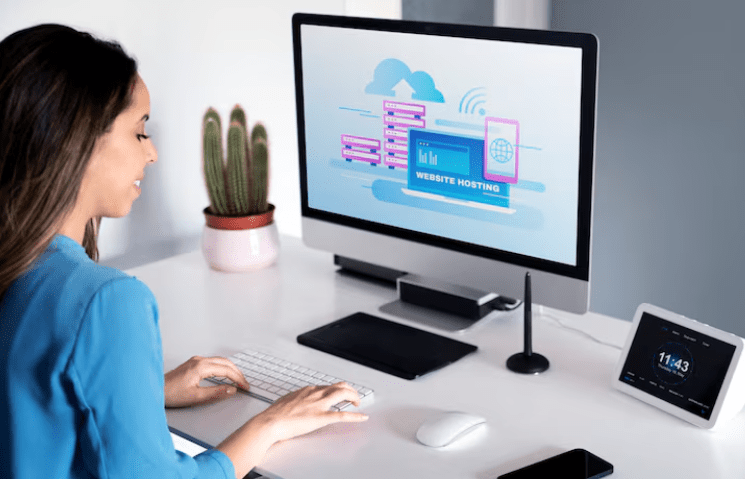
In today’s modern workplace, businesses are navigating a rapidly evolving environment driven by hybrid work models, remote teams, and increasing security challenges. Employees are no longer tied to a single location, which makes reliable and efficient computing devices more important than ever.
As a result, end user devices are no longer just hardware tools but essential drivers of productivity, collaboration, and business continuity. Organizations must now think beyond basic functionality and focus on performance and scalability.
End User Computing (EUC) solutions have become a strategic investment that directly impacts operational efficiency and long-term growth. Businesses that choose the right devices and systems can improve employee performance while maintaining strong data security and control.
What Are End User Computing Solutions in 2026?
End User Computing solutions in 2026 document scanner refer to a combination of devices, software, security systems, and management tools that enable employees to work efficiently across environments. These solutions include laptops, desktops, tablets, mobile devices, and virtual desktops that are integrated into a unified ecosystem.
In addition, modern EUC solutions are designed to support flexibility, allowing employees to access work systems from anywhere without compromising performance or security. This is especially important in hybrid and remote work environments where accessibility is critical.
Moreover, there has been a significant shift toward cloud-managed and scalable computing ecosystems. Businesses are now adopting centralized management systems that ensure better control and seamless updates across all devices.
Why Choosing the Right End User Devices Matters for Businesses
Selecting the right end user devices is a critical decision that directly impacts business performance, security, and scalability. Organizations must consider multiple factors to ensure that their workforce is equipped with the right tools.
Below are the key reasons why choosing the right devices matters:
Improving Productivity and Employee Efficiency
To begin with, high-performance office printer enable employees to complete tasks faster and more efficiently, reducing delays and frustration. Slow or outdated systems can significantly impact productivity and workflow.
As a result, businesses that invest in modern devices can improve employee performance and overall efficiency. This leads to better output and higher satisfaction levels.
Strengthening Data Security and Compliance
In addition, secure devices play a crucial role in protecting sensitive business data from cyber threats and unauthorized access. Security features such as encryption and biometric authentication are now essential.
Consequently, businesses can ensure compliance with industry regulations and reduce risks associated with data breaches. This builds trust and reliability.
Optimizing IT Costs
Moreover, choosing the right devices helps optimize IT costs by reducing maintenance, downtime, and replacement expenses. Efficient systems require fewer resources to manage.
As a result, businesses can achieve better ROI while maintaining high performance. This supports long-term financial efficiency.
Enabling Seamless Collaboration
Finally, modern devices support collaboration tools and cloud platforms, enabling teams to work together effectively regardless of location. This is essential in hybrid work environments.
As a result, businesses can improve communication and teamwork. This enhances overall productivity.
Types of End User Computing Devices for Businesses
Businesses today have access to a wide range of computing devices designed to meet different operational needs. Each device type serves a specific purpose depending on the nature of work and industry requirements.
Below are the key types of end user computing devices:
Business Laptops
To begin with, business laptops are the most versatile devices, offering mobility and flexibility for remote and hybrid work environments. They are designed to be lightweight, powerful, and energy-efficient.
As a result, employees can work from anywhere without compromising performance. This makes laptops an essential tool for modern businesses.
Desktop Workstations
In addition, desktop workstations are ideal for high-performance tasks such as design, engineering, and data processing. These systems offer superior processing power and stability.
Consequently, businesses can handle complex workloads efficiently. This ensures consistent performance.
Thin Clients and Virtual Desktops
Moreover, thin clients and virtual desktops provide centralized computing, where processing happens on servers rather than local devices. This enhances security and simplifies management.
As a result, businesses can reduce hardware costs and improve data protection. This is ideal for security-focused industries.
Tablets and 2 in 1 Devices
In addition, tablets and 2-in-1 devices are suitable for field workers and sales teams who require portability and ease of use. These devices combine functionality with convenience.
Consequently, businesses can improve mobility and responsiveness. This enhances productivity.
Mobile Devices (Enterprise Smartphones)
Finally, enterprise smartphones enable communication, collaboration, and access to business applications on the go. These devices are essential for staying connected.
As a result, businesses can ensure continuous communication and faster decision-making. This improves operational efficiency.
5 Key Features to Look for in Business Computing Devices
Choosing the right devices requires evaluating specific features that impact performance and usability. These features ensure that devices meet business requirements effectively.
Below are the key features to consider:
Performance and Processing Power
To begin with, performance is a critical factor, as it determines how efficiently devices handle tasks. This includes CPU, RAM, and storage capabilities. As a result, businesses should choose devices that match workload requirements. This ensures smooth operations.
Security Features
In addition, security features such as encryption, biometric login, and secure access controls are essential for protecting data. Cyber threats continue to increase. Consequently, businesses must prioritize security to safeguard sensitive information. This reduces risks.
Compatibility and Integration
Moreover, devices should be compatible with enterprise applications and existing IT infrastructure. This ensures seamless integration. As a result, businesses can avoid disruptions and improve efficiency. This enhances performance.
Remote Management Capabilities
In addition, remote management allows IT teams to monitor, update, and troubleshoot devices efficiently. This is essential for distributed teams. Consequently, businesses can reduce downtime and improve control. This supports scalability.
Durability and Lifecycle
Finally, durable devices with longer lifecycles help reduce replacement costs and improve reliability. This is important for long-term use. As a result, businesses can achieve better ROI. This supports sustainability.
Cloud Based End User Computing: The Future of Work
As businesses move toward digital transformation, cloud-based end user computing is becoming increasingly important. It enables flexibility, scalability, and efficient resource management.
Below are the key aspects:
Virtual Desktop Infrastructure (VDI)
To begin with, VDI allows users to access desktops remotely through centralized servers. This improves accessibility. As a result, businesses can support remote work effectively. This enhances flexibility.
Device Independent Access
In addition, cloud solutions enable employees to access systems from any device. This improves convenience. Consequently, businesses can ensure seamless operations. This enhances productivity.
Cost and Scalability Advantages
Moreover, cloud-based solutions reduce infrastructure costs and allow businesses to scale operations easily. This improves efficiency. As a result, organizations can adapt to growth. This supports expansion.
Reduced IT Maintenance
Finally, centralized systems reduce the need for constant IT maintenance. This simplifies operations. As a result, businesses can focus on core activities. This improves efficiency.
Common Mistakes Businesses Make While Choosing Devices
While selecting devices, businesses often make mistakes that impact performance and efficiency. Avoiding these errors is essential for success.
Below are the key mistakes:
Prioritizing Cost Over Performance
To begin with, focusing only on cost can lead to poor device performance and reduced productivity. Cheap devices may not meet business needs. As a result, businesses may face higher long-term costs. This impacts efficiency.
Ignoring Security Features
In addition, overlooking security features can expose businesses to cyber risks and data breaches. This is a major concern. Consequently, businesses must prioritize security. This protects data.
Lack of Scalability Planning
Moreover, not planning for scalability can limit future growth and flexibility. Devices should support expansion. As a result, businesses may face challenges during growth. This affects performance.
No Centralized Management
Finally, lack of centralized device management can create inefficiencies and operational challenges. This reduces control. As a result, businesses may struggle to maintain consistency. This impacts productivity.
How End User Computing Solutions Improve IT Efficiency
End user computing solutions play a critical role in improving IT efficiency by simplifying management and reducing complexity. They enable better control over devices and systems.
Below are the key benefits:
Centralized Device Management
To begin with, centralized management allows IT teams to monitor and control devices from a single platform. This improves efficiency. As a result, businesses can reduce complexity. This enhances performance.
Reduced Downtime
In addition, efficient systems reduce downtime by enabling quick troubleshooting and updates. This improves reliability. Consequently, businesses can maintain continuous operations. This supports productivity.
Faster Onboarding and Offboarding
Moreover, automated systems enable faster onboarding and offboarding of employees. This improves efficiency. As a result, businesses can manage workforce changes effectively. This supports growth.
Better Data Control
Finally, centralized systems improve data control and security. This ensures better management. As a result, businesses can protect sensitive information. This enhances reliability.
How the Right IT Partner Simplifies Device Management
Choosing the right IT partner is essential for managing end user computing solutions effectively. A reliable partner provides expertise and support.
Below are the key ways an IT partner helps:
Device Procurement and Deployment
To begin with, IT partners handle device selection, procurement, and deployment. This simplifies processes. As a result, businesses can save time and resources. This improves efficiency.
Lifecycle Management
In addition, lifecycle management ensures devices are maintained, updated, and replaced as needed. This improves performance. Consequently, businesses can reduce downtime. This enhances productivity.
Security Integration
Moreover, IT partners integrate security solutions to protect devices and data. This reduces risks. As a result, businesses can ensure compliance and security. This builds trust.
Ongoing IT Support
Finally, ongoing support ensures that any issues are resolved quickly. This improves reliability. As a result, businesses can focus on core operations. This supports growth.
Conclusion
In conclusion, choosing the right end user computing devices is essential for improving productivity, enhancing security, and achieving long-term business efficiency. Modern workplaces require solutions that are flexible, scalable, and aligned with evolving technological needs.
Looking to upgrade your end user computing infrastructure? Partner with MBM Newtech to implement secure and high-performance solutions tailored to your business needs.
FAQs
What are end user computing solutions
End user computing solutions include devices, software, and systems that enable employees to work efficiently.
Which devices are best for business productivity
Laptops, desktops, and cloud-based solutions are commonly used for productivity.
What is the difference between VDI and traditional desktops
VDI allows remote access through centralized servers, while traditional desktops are locally managed.
How can businesses secure end user devices
By using encryption, secure access controls, and centralized management systems.
Are cloud-based computing solutions better for enterprises
Yes, they offer scalability, flexibility, and reduced IT maintenance.