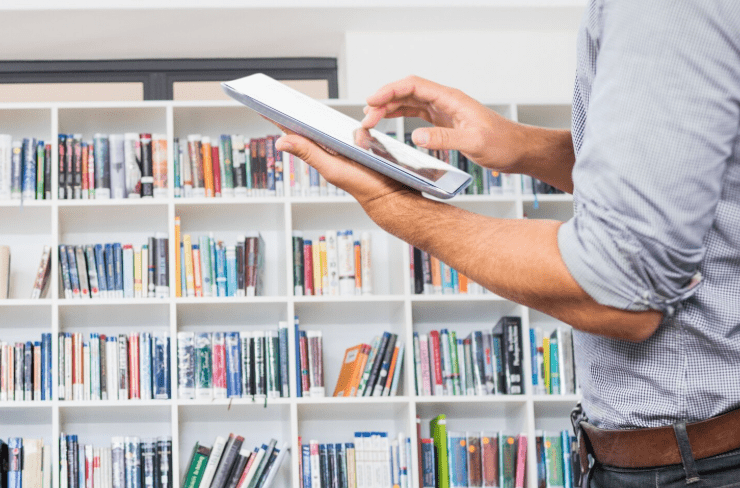
A book scanner is a device designed to digitize printed books without damaging them. It captures images of pages using cameras or sensors and converts them into searchable digital files using OCR (Optical Character Recognition) technology. These scanners are widely used in libraries, offices, and educational institutions.
Digitization is a must in 2026. The world is moving towards online education, work, and cloud storage, and digitizing physical books is becoming more important than ever for both individuals and businesses. From digitizing ancient manuscripts to making study resources accessible, book scanning is essential.
Efficient book scanning is important for students, libraries, researchers, and businesses. Whether it’s academic institutions with extensive collections or business offices with vast documentation, there’s a demand for precise and speedy digitization.
At mbmnewtech.com, we offer state-of-the-art scanning services for quick digitization, enabling businesses and organisations to easily move into a digital world.
What is a Book Scanner?
A book scanner is a machine that scans and digitises books without compromising their structure. Book scanner are used to scan books without damaging them, unlike conventional scanners, which need to flatten documents.
The main difference between a book scanner and a regular flatbed scanner is how they manage books. Flatbed scanners may require flattening the book, potentially damaging the binding. Book scanners, on the other hand, employ digital imaging techniques to scan the pages without damaging the book.
These scanners are used to digitise textbooks, to capture historical documents, to archive legal documents, and to create e-books for online reading.
How Does a Book Scanner Work? (Step-by-Step)
Knowing how a book scanner works will help you select and operate the right one. Here’s how it works:
1. Page Placement
The book is placed on the scanner platform. It may be placed face down or on a V-shaped cradle to cradle the spine.
2. Image Capture (Camera/Sensor-Based)
Images are taken using high-resolution cameras or sensors. Overhead scanners employ cameras that are placed above the book, while flatbed scanners have sensors below the glass.
3. Image Processing & Enhancement
The images are enhanced by software. This involves cropping, brightness adjustment, shadow removal, and distortion correction due to curved pages.
4. OCR (Text Recognition)
The scanned images are transformed into searchable and editable text using OCR (Optical Character Recognition). This enables digital documents to be searchable and editable.
5. Output File Types (PDF, Word, etc.)
Finally, the scanned information is exported in digital formats, such as PDF, Word, or text, for easy storage, sharing, and retrieval.
Types of Book Scanners
Let’s compare the different types of portable book scanner
| Type of Book Scanner | How It Works | Best For | Pros | Cons |
| Flatbed Scanner | Book placed face-down | Home use | Affordable | Can damage spine |
| Overhead Scanner | Camera scans from top | Libraries | Non-destructive | Expensive |
| V-Shape Scanner | Book held in V cradle | Archives | High quality | Bulky |
| Portable Scanner | Handheld/mobile | Students | Easy to carry | Lower accuracy |
These serve different purposes, so the choice of a book scanner depends on your requirements and budget.
Key Technology Behind Book Scanners
OCR (Optical Character Recognition)
OCR is the technology that allows scanned images to be turned into text. It’s multilingual and allows you to search the text, which is extremely helpful for research and documentation.
AI Image Processing
Book scanners feature AI-based software for image processing. This includes automatic cropping, background removal, and page deskewing to enhance quality.
Smart Page Detection
High-end scanners can sense the curvature of the page and de-skew it. This results in a neat and legible scan without harming the book.
Benefits of Using a Book Scanner
There are benefits to using a book scanner:
- Does not damage old and fragile books
- Is quicker than typing
- Allows for easy search and retrieval
- Allows for easy digital storage and distribution
These features make book scanners a must-have digitization device.
Use Cases (Real-World Applications)
Book scanners have many applications:
- Schools & Universities – Scanning textbooks and other materials
- Libraries & Archives – Archiving valuable manuscripts and documents
- Businesses – Document and report management
- Legal & Healthcare – Preserving important documents
Companies seeking to improve document handling can check out innovative tools on mbmnewtech.com for top-notch scanning equipment.
Book Scanner vs Document Scanner
| Feature | Book Scanner | Document Scanner |
| Design | Non-destructive | Flat feeding |
| Use | Books | Papers |
| OCR | Advanced | Basic |
Book scanners are designed specifically to scan bound volumes and are ideal for scanning books without damaging them.
How to Choose the Right Book Scanner
When choosing a book scanner, consider:
- Price – Set a budget for your scanner
- OCR Accuracy – The better the OCR, the better the text
- Speed – For digitizing large document volumes
- Mobility – Ideal for students and travelling workers
- Brand Reputation – Use established brands for reliability
Check out top-of-the-line scanners at mbmnewtech.com for the right products for you.
Common Mistakes to Avoid
Make sure to avoid these pitfalls when using or buying a book scanner:
- Overly pressing books, causing spine damage
- Using low-quality OCR produces inaccurate text
- Not selecting the right type of scanner
Taking the time to make the right choices can save you time, money, and avoid frustration.
FAQs
- What is a book scanner used for?
Book scanners are used to convert physical books into digital formats, such as a PDF, while maintaining the structure of the book.
- Can a book scanner damage books?
No, modern scanners like overhead, V-shaped, or flatbed scanners will not damage them.
- What is OCR in a book scanner?
OCR transforms scanned images into searchable and editable text, making documents more accessible.
- What is the best book scanner for students?
Students should use overhead or portable scanners as they are easy to use.
- Is a book scanner better than a regular scanner?
Yes, book scanners are designed to scan books without causing damage, whereas other scanners may damage the book.
Conclusion
In 2026, book scanners are a vital tool for converting and preserving books. They are widely used in education and corporate settings to digitize books and make them searchable.
Thanks to the integration of OCR, AI image processing, and smart detection, book scanners are now faster and more reliable. Selecting the right scanner can boost efficiency and ensure data preservation.
Looking for reliable book scanning solutions? Visit https://mbmnewtech.com/ to explore advanced technologies!